Can You Use Tea Tree Oil and Oregano Oil Together on Nails?
Quick answer: can you use tea tree and oregano oil together on nails?
Most people should not stack tea tree and oregano oil on the nails. Both are strong essential oils, and two on the same skin raise the chance of stinging and irritation. If you want to try one, use a single oil, diluted in a carrier oil, after a patch test. PureNail Pro uses tea tree with conditioning oils and does not contain oregano oil.
- Tea tree and oregano are both strong oils that can irritate skin.
- Two oils at once means two chances of a reaction, and you cannot tell which one caused it.
- Do not cover oiled skin with a bandage, because that can make irritation worse.
Can you use tea tree oil and oregano oil together?
You can find people online who mix the two or switch between them, but we would not copy them. Tea tree oil and oregano oil are both concentrated essential oils. Each one is known to bother skin in some people. Put them together and you add the risk of both. It also becomes impossible to tell which oil caused a reaction if one appears.
Our head-to-head, tea tree oil vs oregano oil for nails, explains the difference. Tea tree is the better known and gentler of the two on skin. Oregano oil is a more potent oil and needs much more care. Neither one is a medicine.
Why stacking strong oils is a poor idea
The skin around a nail is thin, and it is often already dry or sore when people go looking for a remedy. Strong oils on stressed skin can lead to redness, a hot or stinging feeling and flaking. That flaky look is the same dry look people blame on the oil itself, as we cover in does tea tree oil dry out nails.
- Two strong oils on the same patch means a bigger load on the skin.
- A reaction is harder to trace when two oils are in play.
- Old or air-exposed oil can irritate more than fresh oil.
- Covering oiled skin with a bandage or plaster holds the oil against the skin and can make irritation worse.
Check the label and the guarantee
The official page lists the full ingredient label, the packs and the 60-day guarantee.
See today's price and guaranteeWhat about alternating the two oils?
Switching between them on different days is gentler than layering them, but it does not remove the risks. Each oil still needs to be diluted in a carrier oil and tested on a small patch of skin first. Jojoba is the classic carrier. It is a liquid wax close to the skin's own oil, so it conditions as it dilutes. Our guide to jojoba oil for nails explains why.
If you try this at all, change one thing at a time. Start with one oil, wait, and watch the skin. Do not add a second oil until the first has been comfortable for a good while. If the skin turns red, itchy or sore, stop.
Where a ready blend fits in
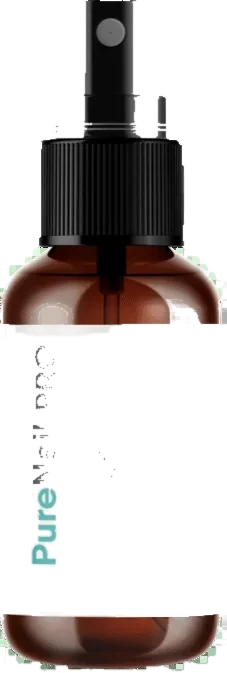
Many people do not want to mix oils at home. A finished product takes that job away. PureNail Pro is a 1 oz (30 ml) topical spray with 17 ingredients on the label. It uses tea tree oil with clove bud, lemongrass, lavender and manuka oils, and conditioning oils such as jojoba, sweet almond and vitamin E. Oregano oil is not on the label. The only amount printed is undecylenic acid at 5%. The amount of each oil is not printed.
The printed directions are simple: a thin layer once or twice a day, from 6 to 8 inches away, then let it dry fully. That is easier to keep to than a home mix. You can read the whole label in our PureNail ingredients breakdown.
A safer way to try any nail oil
- Pick one product. Do not layer a second one on top.
- Patch-test on a small area of skin and wait. Stop if you see redness, itching or stinging.
- Keep it off broken skin and away from your eyes.
- Apply a thin layer to clean, dry nails and let it dry.
- Give it 8 to 12 weeks before you judge it. Nails grow slowly.
When to see a professional
A nail that is painful, thickening, lifting from the nail bed or changing colour needs a doctor or a podiatrist. Mixing home oils is not a way to sort that out, and it can add irritation to a nail that is already sore. Anyone who is pregnant, nursing, under 18, diabetic or allergic to essential oils should check with a doctor before using one. Our page on who should not use a topical nail spray has the full list.
Our view
Use one oil or one finished product, not two strong oils at once. Dilute, patch-test and keep to a thin layer. If you want a simple route, a ready blend with conditioning oils and clear directions is easier to use than a home mix. The 60-day guarantee on the official store backs the trial, and the 8 to 12 week plan is a fair test window.
Related reading
Frequently asked questions
Can I use tea tree oil and oregano oil at the same time on nails?
We do not suggest it. Both are strong oils that can irritate skin, and using two at once makes a reaction more likely. If you want to try one, pick one, dilute it and patch-test first.
Can I alternate tea tree oil and oregano oil on different days?
Alternating is gentler than layering, but each oil still needs dilution and a patch test. Give the skin time to settle between changes, and stop if it turns red, itchy or sore.
Does PureNail Pro contain oregano oil?
No. The label lists tea tree oil, clove bud oil, lemongrass, lavender and manuka among its botanical oils, plus conditioning oils such as jojoba, and undecylenic acid at 5%. Oregano oil is not on the label.
Why patch test an essential oil before using it on nails?
Tea tree and oregano are strong oils that can irritate skin. A patch test on a small area first shows how your skin reacts before you use more.
See PureNail on the official store
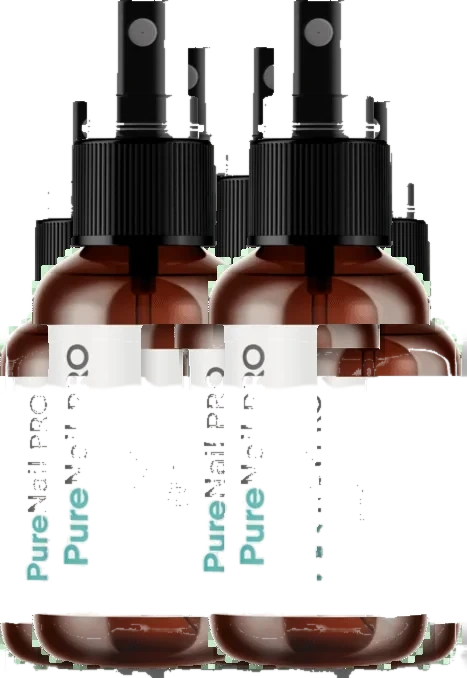
The official page shows today's packs, shipping and the 60-day guarantee.
See today's price and guaranteeWe may earn a commission if you buy through our links, at no extra cost to you.