Tea Tree Oil vs Oregano Oil for Nails: An Honest Head-to-Head
Quick Answer: Is Tea Tree Oil or Oregano Oil Better for Nails?
In the tea tree oil vs oregano oil comparison for nails, tea tree wins on everyday safety: its terpinen-4-ol is well tolerated near five percent and has the most human nail data. Oregano oil is a stronger laboratory antifungal but far more irritating, so it must be heavily diluted and patch-tested first.
- Best all-rounder: tea tree oil, for tolerability, scent and the strongest human record.
- Strongest in a dish: oregano oil, thanks to carvacrol and thymol, but with real irritation risk.
- Key caveat: neither is a cure, and a confirmed nail infection needs a clinician.
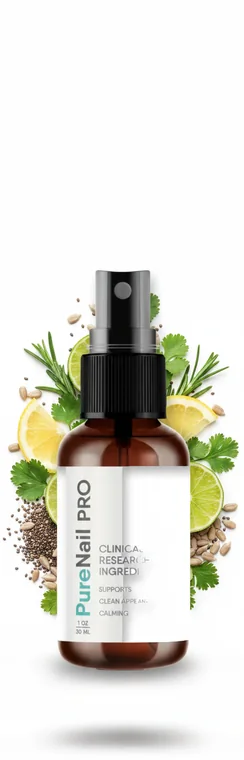
Why the tea tree oil vs oregano oil debate keeps coming up
Ask the internet how to look after a discoloured or ridged nail and you will land on the same two names within minutes: tea tree oil and oregano oil. They dominate the natural nail-care conversation, they are both sold as botanical antifungals, and they are both cheap enough that people try them before anything else. The problem is that they are usually discussed as if they were interchangeable, and they are not. In the tea tree oil vs oregano oil match-up, the two oils sit at very different points on the trade-off between raw laboratory potency and everyday, skin-friendly safety.
This article is a straight comparison, not a sales pitch dressed up as one. We are going to look at what is actually inside each oil, what the human evidence really says, how irritating each one is on skin, how to dilute them, and even how they smell, because scent is the reason a lot of people quietly abandon a routine. Then we will explain why a finished cosmetic like PureNail PRO leans on tea tree paired with soothing lavender, aloe and jojoba rather than raw oregano, and where a topical botanical honestly fits in the first place.
One ground rule before we start. Neither of these oils is a medicine, and nothing you read here is a treatment claim. A cosmetic oil is for the appearance and condition of nails and the skin around them. If a nail is thickening, lifting, painful or spreading, that is a conversation for a doctor or podiatrist, not a bottle from a shelf.
Tea tree oil: terpinen-4-ol and the human record
Tea tree oil is steam-distilled from the leaves of Melaleuca alternifolia, an Australian shrub. Its signature active is terpinen-4-ol, a terpene alcohol that makes up a large share of a good-quality oil and drives most of its antimicrobial behaviour. The mechanism is a membrane one: terpinen-4-ol partitions into microbial cell walls and disrupts them, which is a broad, physical mode of action rather than a precise drug-like one.
What separates tea tree from every other botanical in this category is that it has actually been studied on human nails, not only in a dish. A frequently cited controlled trial compared a tea tree oil preparation against clotrimazole, a conventional topical antifungal, over six months, and found broadly comparable, modest results, with the tea tree arm producing full or partial improvement in a meaningful share of participants. Later work has been smaller and mixed, and none of it turns tea tree into a guaranteed fix. But "the most-studied botanical here, with limited and imperfect human data" is a genuinely different and stronger position than "active in a laboratory and nowhere else."
Tea tree is also comparatively forgiving on skin. It is not risk-free, oxidised or old oil is more sensitising, and some people react to it, but at the low single-digit percentages used in cosmetics it is tolerated by most people. That combination of a real human record and a workable safety margin is exactly why it anchors so many nail formulas. For the deeper dive into the studies, our companion review of the clinical evidence behind tea tree oil for nail care walks through the trials one by one.
Oregano oil: carvacrol, thymol, and the irritation problem
Oregano oil is distilled from Origanum vulgare and its relatives, and its punch comes from two phenolic compounds, carvacrol and thymol. These are the same aggressive antiseptic phenols that give thyme its reputation, and in the laboratory they are impressive. Across food-science, agricultural and microbiology literature, oregano oil and isolated carvacrol reliably inhibit yeasts and dermatophyte moulds, often at lower concentrations than tea tree needs. If the only thing that mattered were the number on an agar plate, oregano would look like the winner.
But the number on the plate is not the only thing that matters, and here is the catch that most head-to-head articles skate over. The very potency that makes carvacrol a strong antifungal also makes it a strong irritant. Oregano oil is one of the harshest essential oils in routine use. Applied neat to skin, and particularly to the thin, already-stressed skin around a troubled nail, it can cause burning, stinging, redness and, in the wrong dose, a chemical burn. It is also a recognised sensitiser, meaning repeated exposure can provoke an allergic response over time.
There is a second, quieter problem: human nail data for oregano oil is essentially absent. Almost all of its supporting evidence is in-vitro. So oregano asks you to accept more irritation risk in exchange for laboratory numbers that have never been tested on an actual nail plate in a controlled human study. That is a poor trade for a daily grooming product. Our detailed look at oregano oil and caprylic acid as botanical nail ingredients unpacks exactly where that evidence starts and stops.
The head-to-head: scent, safety, dilution and evidence
Comparisons are easy to fudge with adjectives, so here is the version laid out plainly. Read the columns for how well tolerated each oil is, because on a daily-use product that matters at least as much as the laboratory activity.
| Factor | Tea tree oil | Oregano oil |
|---|---|---|
| Main active compounds | Terpinen-4-ol | Carvacrol, thymol |
| Laboratory antifungal strength | Solid and well documented | Stronger; effective at lower concentrations |
| Human nail evidence | Best of any botanical here; limited and mixed | Essentially none |
| Skin irritation risk | Moderate; usually fine at a few percent | High; harsh and sensitising if under-diluted |
| Typical cosmetic use level | A few percent in a carrier | Fractions of a percent to low single digits |
| Scent | Fresh, medicinal, moderate | Sharp, hot, herbal, strong and lingering |
| Best role | Everyday nail and cuticle care | Occasional, heavily diluted, patch-tested |
Scent deserves a word because it is under-rated. Oregano oil smells hot and pungent, and on a product you are meant to use twice a day, every day, for months, a heavy medicinal-herbal smell is a real reason people stop. Tea tree has a cleaner, fresher profile, and it plays well with calming notes like lavender. Adherence is the hidden variable in every one of these routines: the best oil is the one you will still be using in month three, and pleasantness is part of that.
A tea-tree-led blend, formulated so you skip the dilution maths
If the takeaway so far is that tea tree is the sensible everyday base and that home-diluting harsh oils is where people go wrong, that is exactly the gap PureNail PRO is built to fill. Tea tree balanced with lavender, aloe and jojoba, in a ready-to-use cosmetic spray.
See the Official PureNail PRO PageThree myths and objections, answered honestly
"Stronger in the lab means better on my nail." This is the single most misleading idea in the whole category, and it is the reason oregano gets over-hyped. Laboratory potency is measured in a dish where the compound sits directly on the organism. On a real nail, the fungus lives under a dense keratin plate that oils penetrate poorly, and the skin around it can only tolerate so much irritant. A gentler oil you can actually use consistently, on skin you have not inflamed, often does more real-world good than a fierce one you have to use sparingly. Potency without penetration and tolerability is a number on paper.
"Natural means gentle, so I can slather it on." Oregano oil is the clean refutation of this. It is entirely natural and one of the most aggressive oils you can put on skin. Plant-derived says nothing about safe concentration. This is why the dilution and patch-test steps below are not optional fine print.
"I should just mix my own to save money." You can, and plenty of people do, but home blending is precisely where the accidents happen. Essential oil bottles dispense inconsistent drop sizes, carvacrol content varies batch to batch, and it is genuinely easy to end up at an irritating concentration without realising. A pre-formulated cosmetic has already done the ratio work and stabilised the blend. The small premium buys consistency and a much lower chance of a chemical-burn afternoon.
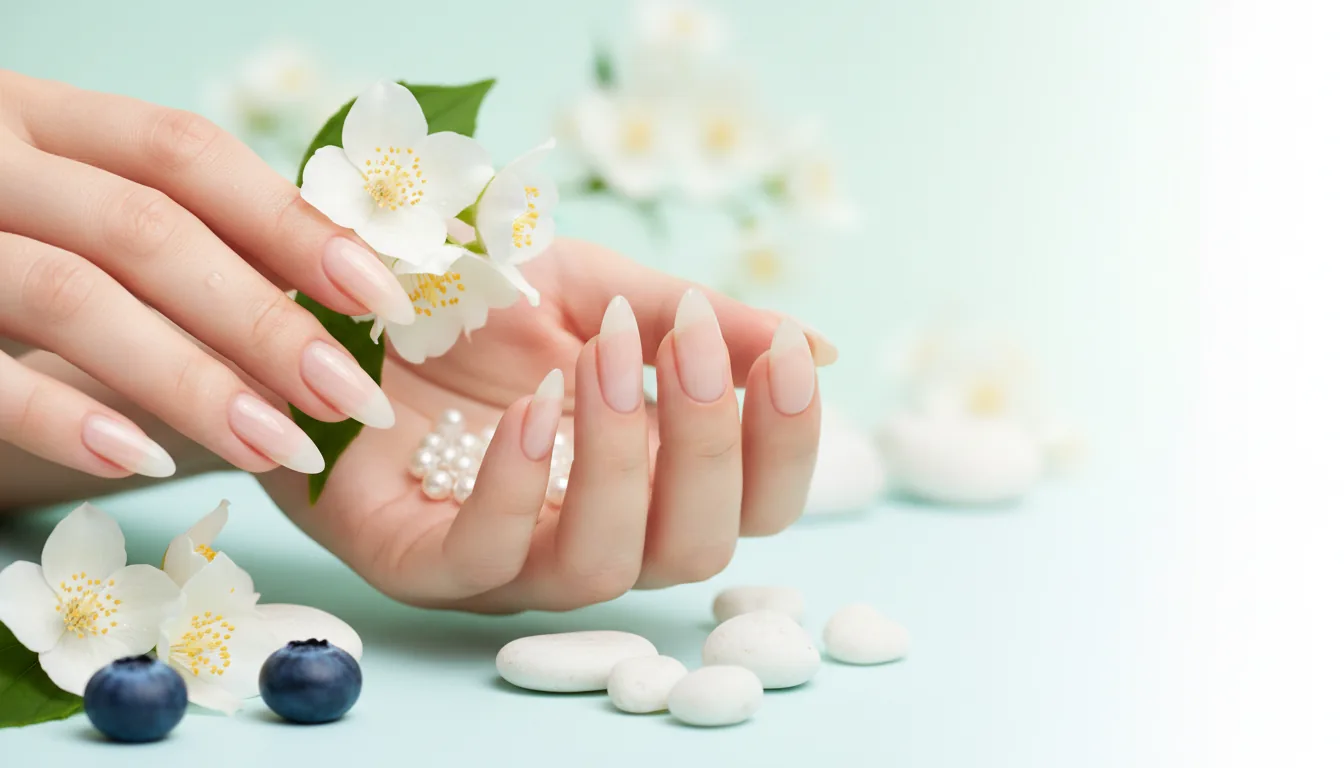
Why PureNail blends tea tree with lavender, aloe and jojoba
Once you accept that tolerability and consistency matter as much as raw activity, the formulation logic writes itself. PureNail PRO uses tea tree as its lead active because it is the botanical with the most human nail research and a workable safety margin. It then surrounds that active with ingredients chosen to keep the skin comfortable rather than to chase a bigger laboratory number.
Lavender oil adds its own mild antimicrobial reputation and, just as importantly, a calming scent that makes twice-daily use pleasant instead of a chore. Aloe brings soothing, humectant properties that help offset the drying edge essential oils can have. Jojoba is a wax ester that closely mimics skin's own sebum, spreads evenly, and conditions the cuticle and nail fold, exactly the visible, above-the-plate job a cosmetic can legitimately do well. The deliberate absence here is raw oregano: leaving out the harshest, least-studied-on-nails oil is a feature, not an oversight.
The result is a spray designed for the thing that actually decides outcomes in this category, which is whether you keep using it. Consistency over months beats intensity for a week. To see the full ingredient list and how the formula is positioned before you decide anything, our overview of what PureNail PRO contains and how it describes itself lays out the whole label.
How to use either oil safely (or skip the guesswork)
If you are going to use raw essential oils, do it properly. Always dilute, never apply neat, and be especially conservative with oregano, a drop or two per teaspoon of carrier oil at most to start. Patch-test the finished, diluted blend on the inner forearm and wait a full twenty-four hours, watching for redness, itching or swelling before you commit to daily use on the hands or feet. Keep essential oils away from broken skin and out of reach of children, and never swallow them. People with eczema, psoriasis, fragrance allergies, diabetes or reduced circulation in the feet should be extra cautious and check with a clinician first.
Then be realistic about time. Nail is dead keratin, so nothing you apply changes the part that has already grown out. You judge progress at the band nearest the cuticle over months, and a full toenail can take six to twelve months to grow out entirely. Give any routine a fair, patient trial or you will never know whether it did anything.
The winner of tea tree oil vs oregano oil is not the oil with the biggest number in a laboratory. It is the one you will still be using, safely, three months from now.
Safety note: this article is general information, not medical advice. Essential oils are for external use only and must never be swallowed. Never apply oregano oil undiluted to skin, and patch-test any essential-oil product before wider use. Seek professional care for any nail that is painful, spreading, lifting or associated with diabetes or poor circulation, and speak to a clinician before using essential-oil products if you are pregnant or nursing.
Scientific references
- NIH National Center for Complementary and Integrative Health — Tea tree oil
- Buck D.S. et al. — Comparison of two topical preparations for the treatment of onychomycosis: Melaleuca alternifolia (tea tree) oil and clotrimazole, Journal of Family Practice (1994)
- Nardoni S. et al. — In vitro activity of twenty plant-derived essential oils against selected dermatophyte species, Natural Product Communications (2015)
- Mayo Clinic — Nail fungus: diagnosis and treatment
- Barbaud A. et al. — Allergic contact dermatitis from essential oils in consumer products, Contact Dermatitis (2023)
Related reading
PureNail PRO: tea tree, done gently and consistently
Tea tree, lavender, aloe and jojoba in a ready-to-use cosmetic spray for the appearance and condition of nails and the skin around them, no oregano to fight, no dilution to guess. Full ingredient list and current pricing on the official page.
Check Availability and Pricing