What Deficiency Causes Nail Fungus? Iron, Zinc and Vitamin D Examined
Quick Answer: What Deficiency Causes Nail Fungus?
No nutrient deficiency causes a fungal nail infection. Fungal nail disease is caused by dermatophyte fungi, and occasionally by yeasts or moulds, colonising the nail unit, and no shortfall of iron, zinc or vitamin D creates that organism. What deficiencies genuinely do is change how the nail plate is built: low iron, low zinc and low vitamin D are each associated with thinner, weaker, slower-growing or visibly abnormal nails, and a fragile plate is easier for an organism to settle into. So nutrition sits alongside infection as a separate, measurable problem rather than being its cause.
- Actual cause of infection: dermatophyte fungi, not a nutrient shortfall.
- Real nutritional link: iron, zinc and vitamin D affect nail plate quality and appearance.
- Practical step: measure ferritin, vitamin D and zinc rather than guessing and supplementing blind.
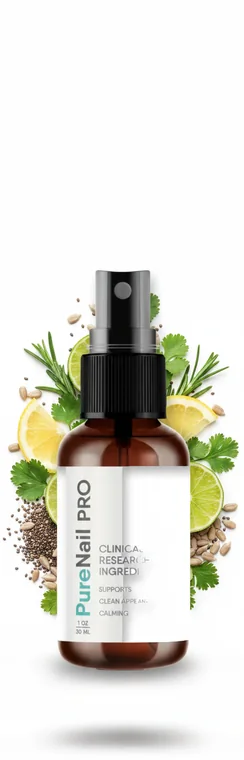
Where the question comes from, and what actually causes fungal nails
Nails are one of the few organs you can inspect without equipment, so they have always attracted diagnostic folklore. Some of it is legitimate: clinicians really do read nails for clues, and specific nutrient deficiencies really do produce recognisable nail signs. The problem is that this true observation gets stretched into a false one, and the internet arrives at the idea that a fungal nail is fundamentally a nutrition problem.
It is not. Onychomycosis is an infection. The usual culprits in the feet are dermatophytes, above all Trichophyton rubrum, which are keratin-eating fungi adapted to living in exactly this tissue. They arrive from the environment, commonly from communal floors, shared footwear, or from an existing case of athlete's foot on the same person, and they establish themselves in the nail because it is warm, dark, humid and full of the protein they metabolise.
That is the causal story, and it does not have a nutrient-shaped hole in it. What nutrition can plausibly influence are the conditions in which that story plays out: how robust the nail plate is, how quickly it regenerates, how intact the skin barrier around it stays, and how well ordinary immune defences function. Those are meaningful contributions to the background, and they are not the cause.
What deficiency causes nail fungus? Sorting cause from company
The most useful table here is not one of remedies but one of signs: which deficiency produces which recognisable nail change, how it is measured, and what happens when it is corrected. Notice that not one row can honestly say "resolves infection".
| Nutrient | Classic nail sign of deficiency | How status is measured | What correcting it does |
|---|---|---|---|
| Iron | Thin, brittle nails; koilonychia (spoon-shaped) in advanced cases | Ferritin, plus full blood count | New growth returns towards normal over months |
| Zinc | Beau's lines, white spots, slow growth, brittle edges | Serum zinc, interpreted with care | Nail and skin changes improve as stores refill |
| Vitamin D | No single specific nail sign; general fragility reported | Serum 25-hydroxyvitamin D | Corrects a deficiency; nail effects are indirect |
| Biotin (B7) | Brittleness and splitting in true deficiency | Rarely tested; diagnosed clinically | Modest evidence for reduced splitting |
| Protein | Weak, soft, slow-growing plate | Dietary assessment, sometimes albumin | Restores the keratin building blocks |
| Vitamin C | Fragile tissue and bleeding around the nail fold in severe deficiency | Serum ascorbate, rarely needed | Restores collagen formation in surrounding tissue |
Two things are worth pulling out of that table. First, most of these signs are non-specific: brittleness and white spots have many causes, including simple trauma, and reading a nutrient status off a nail is unreliable. Second, every "what correcting it does" entry is about rebuilding the plate over subsequent growth. Nothing there acts on an organism.
Iron: the best-documented nail nutrient
Iron deficiency is the most solidly established nutritional cause of nail change, and it is common, particularly in people who menstruate heavily, people with coeliac disease or other malabsorption, frequent blood donors, and those on restrictive diets. The classic progression is a nail that becomes thin and brittle, then flattens, and in advanced deficiency becomes concave enough to be described as spoon-shaped.
The mechanism is not mysterious. Iron is required for oxygen transport and for a range of enzymes involved in cell proliferation, and the nail matrix is a rapidly dividing tissue with a continuous production quota. Starve it of raw material and output quality drops. Correct the deficiency, and the nail that grows out afterwards is built properly, which is why improvement appears as a band of better nail advancing from the cuticle rather than as a sudden change across the whole plate.
The link to infection is indirect and should be stated as such: a thin, split, damaged nail plate offers more entry points and more surface irregularity for an organism to colonise than an intact one. That is biologically reasonable. It is not a demonstrated causal chain, because nobody has run the trial that would test whether correcting iron reduces fungal nail disease.
The topical half of the picture
Nutrition works from the inside on the nail you have not grown yet. If you are also weighing up where to buy nail fungus treatment alternatives or a best fungal nail treatment natural option, the label is the place to check what is actually being claimed.
See the Official PureNail PRO PageZinc: protein synthesis and the skin barrier
Zinc is a cofactor for hundreds of enzymes, including many involved in protein synthesis, DNA replication and wound repair. Because the nail is essentially a protein manufacturing operation running continuously, zinc status shows up there. Deficiency produces slowed growth, brittle edges, white flecks and transverse ridges known as Beau's lines, which mark a period when the matrix paused production.
Zinc deficiency also degrades the skin barrier, and the skin around the nail fold matters more than people assume. That cuff of skin is the seal on the nail unit; when it cracks, splits or becomes inflamed, the barrier that keeps organisms out is compromised. This is a fair reason to care about zinc status in someone with recurrent nail and skin problems, and it is not a reason to take zinc supplements speculatively.
The caution with zinc is real. Sustained high-dose zinc interferes with copper absorption and can cause a secondary copper deficiency with its own consequences. Serum zinc is also an imperfect marker, affected by recent meals, inflammation and time of day, so interpretation belongs with a clinician rather than with a home test kit.
Vitamin D: immune function and the keratinocyte
Vitamin D is the nutrient most often invoked in this space, partly because it is genuinely important for immune regulation and keratinocyte differentiation, and partly because low levels are so common that any group you study will contain plenty of them. That second point is exactly why observational associations here need to be handled carefully.
Vitamin D receptors are present in skin cells, and the vitamin plays a genuine role in the innate immune response, including the production of antimicrobial peptides. That gives a mechanistic reason to think adequate vitamin D supports normal defences at barrier surfaces. What it does not give is evidence that supplementing vitamin D changes the course of a nail infection, because that study has not been done. We walk through why that distinction matters so much in our companion piece on how the clinical evidence on vitamins for nail problems actually grades out.
The risk factors that genuinely do drive fungal nails
If you want to know what actually raises the odds of a fungal nail, the honest list has very little nutrition in it. Age is the largest single factor, because nails grow more slowly and accumulate more micro-trauma over decades. Diabetes matters, through circulation, sensation and immune factors. Peripheral vascular disease matters for the same reasons. A suppressed immune system matters.
Then there is the mundane category, which is where most cases actually come from: repeated trauma from tight or ill-fitting shoes, running and racquet sports, communal wet floors in gyms and pools, occlusive footwear worn all day, existing athlete's foot spreading to the nail, and household transmission. Family clustering is common enough that it is a recognised feature.
Nutrition determines how well the nail is built. Environment and biology determine whether something moves into it. Confusing those two is how a supplement ends up being sold as a solution to a plumbing problem.
What testing and correcting cannot do
They cannot clear an infection. Correcting a deficiency improves the material of future nail. It does not remove dermatophytes from the nail bed. Confirmed onychomycosis is managed with prescription antifungal medicine, sometimes with thinning or removal of the damaged nail, and even that takes months and can recur.
They cannot help someone who is not deficient. This is the single most over-ridden point in supplement marketing. The benefit of restoring a low nutrient does not continue upward into surplus. Excess iron is harmful in the iron-replete, sustained high-dose zinc causes copper problems, and high-dose biotin can distort some laboratory assays including certain thyroid and cardiac tests.
They cannot diagnose the nail. Nail psoriasis, lichen planus, chronic trauma and age-related thickening all imitate fungal disease well enough that clinicians confirm with laboratory sampling before starting long courses of medication. A nutrient panel does not answer that question.
They cannot be read backwards from a nail. White spots are usually minor trauma, not zinc deficiency. Vertical ridging is largely a normal feature of ageing. Using nail appearance to infer nutrient status, and then self-supplementing on that inference, is guessing twice in a row. We unpack the most-searched example of this in zinc deficiency and nails: what the signs actually mean.
Safety note: this article is general information, not medical advice. Do not start iron, zinc or high-dose vitamin D supplements without testing and professional guidance. If you have diabetes, reduced circulation or reduced sensation in your feet, any foot or nail problem should be assessed professionally rather than managed at home.
A practical, testing-first plan
Start with the nail itself. Ask a doctor or podiatrist whether what you are looking at is fungal, and whether sampling is worthwhile before committing to a long course of anything. This single step prevents the most expensive mistake in the category, which is spending a year on the wrong problem — the same starting point as our practical guide to getting rid of a thick, yellow toenail.
Second, test rather than assume on nutrition. If your history contains a plausible reason for a shortfall, such as heavy periods, a restrictive or plant-only diet without planning, coeliac disease, bariatric surgery, older age, or very little sun exposure, ask for the relevant blood tests and correct only what comes back low. This is the version of nutritional support that has evidence behind it.
Third, deal with the environment, because it is free and it works. Dry thoroughly between the toes, rotate footwear so each pair dries fully, wear sandals on communal wet floors, trim nails straight across without cutting into the corners, treat athlete's foot promptly, and wash socks hot. Pages promising the best nail fungus treatment rarely mention any of this, which tells you something about who the page is written for.
Fourth, if you want a cosmetic topical for the appearance and condition of nails and the skin around them, choose one that describes itself as exactly that. You can see how a botanical formula lays out its ingredients and its claims in our full breakdown of what PureNail PRO contains and what it is positioned to do. If you are weighing one botanical against another, our tea tree oil versus oregano oil head-to-head covers dilution and skin tolerance. Finally, be patient in the right way: judge only the new nail at the base, and give it a full growth cycle before drawing conclusions.
Scientific references
- NIH Office of Dietary Supplements — Iron fact sheet for health professionals
- NIH Office of Dietary Supplements — Zinc fact sheet for health professionals
- Harvard T.H. Chan School of Public Health — Iron
- Mayo Clinic — Iron deficiency anemia: symptoms and causes
- Hawrysz Z. & Woźniacka A. — Zinc: an undervalued microelement in research and treatment, Advances in Dermatology and Allergology (2023)
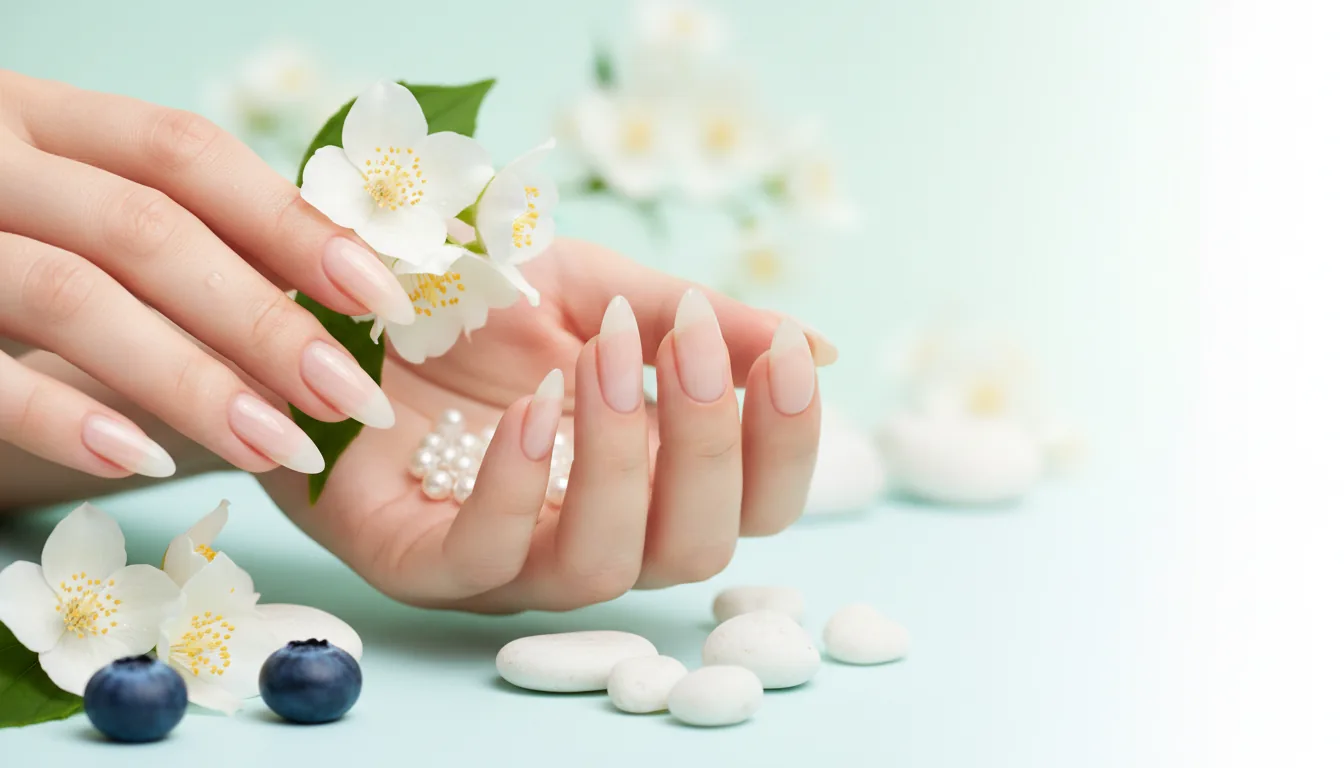
PureNail PRO: a cosmetic spray, described as one
Tea tree, lavender, aloe and jojoba oils for the appearance and condition of nails and the skin around them. Full ingredient list, evidence notes and current pricing on the official page.
Check Availability and Pricing