Cuticle Oil Benefits for Stronger, More Flexible Nails
Quick Answer: What Are the Main Cuticle Oil Benefits?
Cuticle oil benefits nail health in three practical ways: it raises the plate's flexibility so nails flex instead of fracturing, it softens the cuticle so painful hangnails are less likely, and it conditions the skin around the matrix where new nail forms. It is cosmetic grooming support, best applied daily and massaged in.
- Flex, not fracture: a well-oiled plate stays pliable and bends under stress instead of snapping.
- Fewer hangnails: a softened cuticle tears less and looks noticeably tidier.
- Best practice: at least once daily, ideally at night, massaged into the base and sides.
Why the cuticle is doing more work than you think
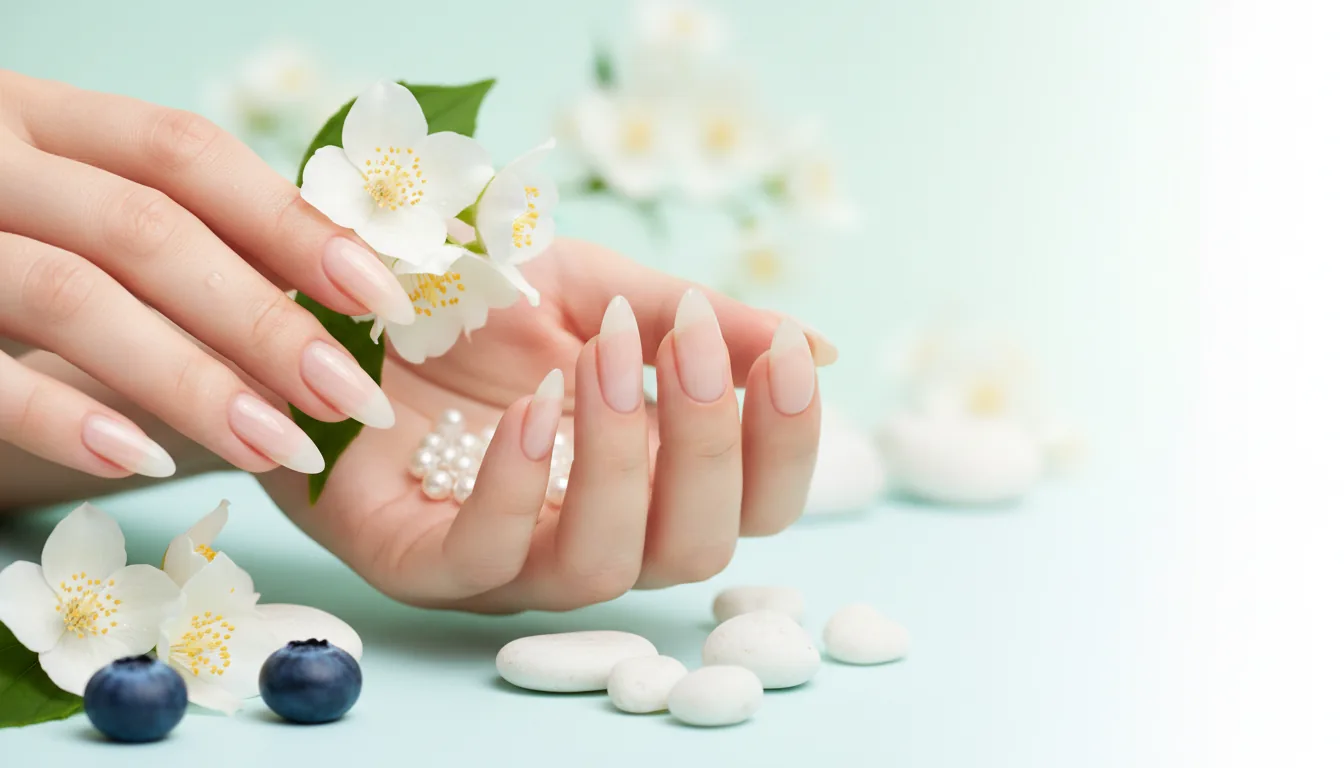
The cuticle gets treated like an afterthought — the bit you push back before polish, the ragged edge you bite when you are stressed. But that thin seal of skin at the base of the nail is a working part of the whole nail unit. It closes the gap between the skin and the plate, and just behind it sits the matrix, the living factory where every new millimetre of nail is actually manufactured. When the cuticle and the fold around it are dry, cracked and inflamed, the environment that produces your nail is compromised at exactly the point that matters most.
That is the honest case for cuticle oil, and it is a smaller, more believable claim than the marketing usually makes. Oil does not rebuild a nail, and no oil turns a soft nail into an armour plate overnight. What it does is keep the skin and the plate hydrated and pliable, and hydration turns out to be most of the battle. Dry nails split, peel at the free edge and snap at the corners. Conditioned nails flex. Once you frame it that way, the whole conversation about cuticle oil benefits stops being about magic and starts being about maintenance — the same reason you moisturise your hands in winter.
The three cuticle oil benefits that actually hold up
Strip away the hype and there are three effects worth caring about, each with a plausible mechanism behind it.
1. It improves flexibility, so nails flex instead of fracturing. The nail plate is made of layers of keratin held together with a small amount of water and natural lipids. When that moisture drops, the layers become rigid and brittle, and a rigid plate cracks under the everyday forces of typing, gripping, opening tins and knocking against door frames. A plate with a healthy moisture and lipid content behaves more like a tough plastic than a dry cracker: it bends and springs back. Oil applied to the surface and the surrounding skin helps slow water loss and keeps that flexibility topped up. This is the single most important benefit, because most “weak” nails are not soft, they are dry and brittle.
2. It softens the cuticle and prevents painful hangnails. A hangnail is a small tear of dry skin at the side of the nail, and it hurts out of all proportion to its size. Regularly conditioned cuticles are supple rather than papery, so they are far less likely to split into those little spurs in the first place. Softer cuticles also mean you can maintain the nail with a gentle push rather than aggressive cutting, and less cutting means less of the raw, inflamed skin that invites infection around the fold.
3. It supports the skin around the matrix, where the nail is formed. Massaging oil into the base of the nail is a small mechanical act with a sensible logic to it: you are conditioning the tissue that sits directly over the matrix and encouraging blood flow to the area. Good circulation to the nail-forming zone is part of how healthy nail is built, and a supple, well-nourished nail fold is a better neighbour to that factory than a cracked, inflamed one. Nobody should oversell this into a growth-serum claim, but conditioning the skin over the matrix is a reasonable, low-risk thing to do.
Notice what is missing from that list: any claim to treat a disease, clear an infection or cure a fungal nail. Those are medical matters. If you want the fuller picture of how nutrition feeds the plate from the inside, our companion piece on how biotin supports nail plate quality covers the internal supply line, while oils like this one work entirely on the outside.
A cuticle-friendly spray, described honestly
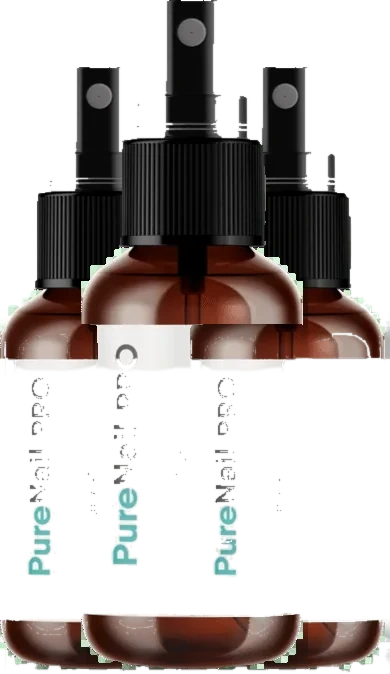
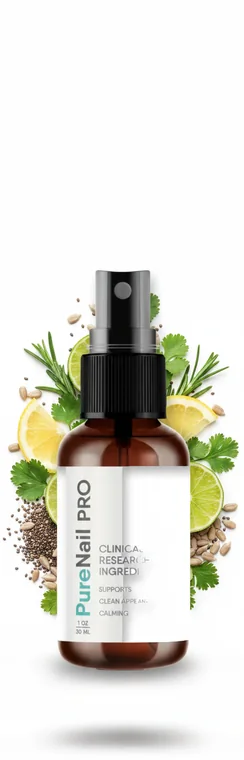
If you would rather condition your nails and cuticles without a fiddly dropper, PureNail PRO is a topical botanical spray built around jojoba and tea tree oil for the look and feel of nails and the skin around them. It is a grooming cosmetic, not a medicine — and the official page lists every ingredient and the current pricing.
See the Official PureNail PRO PageDoes cuticle oil actually strengthen nails? The honest answer
This is the objection worth meeting head-on, because the word “strengthen” is where a lot of products quietly mislead. If you mean does cuticle oil make the keratin itself chemically harder, the answer is no. Oil does not laminate the plate or add material to it. It sits on and just below the surface, and it conditions the skin around it.
But that is not what most people mean. When someone says their nails are weak, they mean the nails split, peel, bend too far and break at the corner. And every one of those failures is far more likely in a dry, rigid plate than in a flexible, hydrated one. A flexible nail absorbs a knock; a brittle nail transmits it and cracks. So while cuticle oil does not increase hardness, it very plausibly reduces breakage, and reduced breakage is exactly the outcome people are chasing. The plate is not stronger in a laboratory sense; it is more resilient in a real-world sense. That distinction is the whole truth of it, and any brand that blurs the two is overselling.
It is also worth being clear about what oil cannot fix. If your nails are brittle because of an underlying issue — iron shortfall, thyroid problems, harsh solvent exposure, over-buffing, or months of gel and acrylic damage — oil is a supporting measure, not the cure. It is the difference between watering a plant and treating a root disease. For the fuller diagnostic picture, our guide to Best Nail Fungus Treatment 2026: OTC Options Compared, Honestly is the better starting point, and cuticle oil then fits neatly on top of whatever the root cause turns out to be.
The ingredients that make a cuticle oil worth using
Not all oils are equal, and the label is where you separate a considered product from a bottle of cheap filler. A few ingredients earn their place.
Jojoba is the standout carrier because it is not really an oil in the greasy sense — it is a liquid wax ester, and its structure is remarkably close to sebum, the oil your own skin produces. That similarity is why it absorbs cleanly instead of sitting greasy on top, and why it is so widely used as the base of a good nail oil. Vitamin E (tocopherol) shows up almost everywhere for its antioxidant role and its conditioning, skin-softening feel. Sweet almond and grapeseed oils are common, well-tolerated, lightweight bases that spread easily. And a modest amount of a botanical such as tea tree oil gives a clean, fresh finish to the nail area and is a familiar ingredient in nail-grooming products.
Two cautions keep this honest. First, essential oils such as tea tree are potent and can irritate sensitive skin, so a blend should be diluted in a carrier and patch-tested before wider use — and if the skin reacts, stop. Second, tea tree's reputation sometimes gets stretched into medical territory it does not deserve; if you are curious about that gap between the lab and the nail, we walk through what the research actually shows about tea tree oil for nails in detail. For a cuticle oil, the point of tea tree is a clean botanical finish and a familiar scent, not a treatment claim.
How often to apply cuticle oil, and how to do it properly
Frequency is where most people undersell the routine and then wonder why nothing changed. The realistic minimum for a visible difference is once a day, every day. The best single time is at night, because you apply it, massage it in, and then leave it undisturbed for hours while you sleep — no hand-washing, no keyboard, no wiping it off. Many people who are serious about it add a second, quick application during the day, especially after washing up or cleaning, because water and detergents strip the nail of moisture and leave it primed to soak oil back up.
Technique matters more than quantity. A common mistake is to wipe a slick of oil across the top of the nail and call it done. The plate is dense keratin and does not absorb much through its face; the real target is the base and the sides — the cuticle, the nail fold and the skin over the matrix. Put a small drop or a light spray there and actually massage it in with a fingertip for a few seconds per nail. The massage is not a gimmick: it works the oil into the folds and brings a little blood flow to the area. A tiny amount done thoroughly beats a flood done carelessly.
This is also where a spray format has a quiet advantage over a dropper bottle. A dropper is precise but slow and easy to skip when you are tired; a fine mist over all ten nails takes seconds, which makes the once-a-day habit far more likely to survive a busy week. Consistency, not intensity, is what produces the result.
The useful mental model is simple: you are not treating the nail you can see, you are conditioning the skin that will build the nail you cannot see yet. That reframes cuticle oil from a cosmetic quick fix into a daily habit whose payoff shows up weeks later, in the new growth at the base.
Three myths worth clearing up
Myth one: cuticle oil is purely cosmetic fluff. It is cosmetic, yes, but “cosmetic” is not the same as “pointless.” Keeping the nail unit hydrated and the cuticle intact reduces splitting, peeling and hangnails, and it keeps the skin barrier around the nail unbroken. A broken, ragged cuticle is a genuine entry point for irritation and infection, so an intact one is a small piece of real skin hygiene, not just decoration.
Myth two: any oil from the kitchen does exactly the same job. A drop of olive or coconut oil will indeed condition a cuticle in a pinch, and that is better than nothing. But heavier kitchen oils sit greasy and absorb slowly, whereas a jojoba-based blend is formulated to sink in cleanly and is far more pleasant to use daily — and a product you enjoy using is a product you will actually keep using. The lightweight, skin-mimicking base is the reason a purpose-made oil beats the pantry over the long run.
Myth three: you have to pay salon prices or it will not work. You do not. What matters is a sensible ingredient list and, above all, consistency. The most expensive cuticle oil used twice a month will lose to a modest one used every night. If you want help judging formulas and formats against each other, our buyer's guide to choosing the best nail care spray lays out what to look for so you are paying for oils that work rather than for packaging.
Safety note: this article is general grooming information, not medical advice. Cuticle oil is a cosmetic for the appearance and condition of nails and the skin around them; it does not treat or cure any nail disease. Patch-test essential-oil blends before wider use and stop if the skin reacts. A nail that is thickening, discoloured, painful, separating or changing shape should be assessed by a doctor or podiatrist, and speak to a clinician before starting new products if you are pregnant, nursing, diabetic or managing a health condition.
Building a simple, sustainable routine
You do not need a ten-step system. A routine that survives real life looks like this. Keep your cuticle oil where you will actually see it — on the nightstand, next to the toothbrush, wherever the nightly trigger lives. Once a day, ideally before bed, apply a small amount to the base and sides of each nail and massage it in for a few seconds per finger. Push back the cuticle gently with a soft tool only when it is soft, never force it dry, and resist the urge to cut living cuticle. After hand-washing or cleaning during the day, reapply if you can. Then be patient, because nails are slow and the honest change appears in new growth over weeks, not in the tip you already have.
Where does a product like PureNail PRO fit? As the easy, daily conditioning step — a spray of jojoba, tea tree and supporting oils over the nails and cuticles that takes seconds and keeps the habit alive. It is grooming support for the look and feel of your nails, described as exactly that and nothing more. Used consistently alongside gentle nail care and, where relevant, addressing any internal cause of brittleness, it is a low-cost, low-risk piece of a genuinely sensible routine.
Related reading
Scientific references
- American Academy of Dermatology — 11 dermatologists’ tips for healthy nails
- Pazyar N. et al. — Jojoba in dermatology: a succinct review, Giornale Italiano di Dermatologia e Venereologia (2013)
- NIH Office of Dietary Supplements — Vitamin E fact sheet
- American Academy of Dermatology — 12 nail changes a dermatologist should examine
- Mayo Clinic — Fingernails: what your nails say about your health
Make daily cuticle care effortless
PureNail PRO turns the once-a-day habit into a two-second spray of jojoba, tea tree and supporting botanical oils for the look and feel of your nails and cuticles. Full ingredient list, evidence notes and current pricing are on the official page.
Check Availability and Pricing